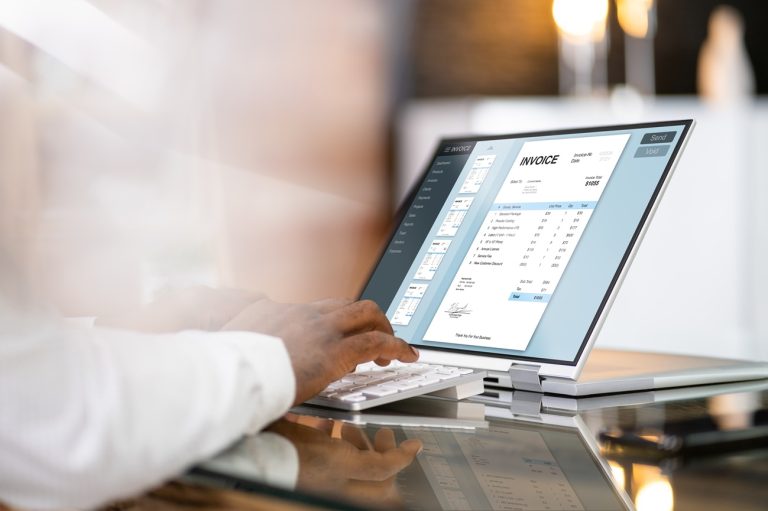

Most AP automation platforms handle straightforward invoices efficiently, processing clean POs, standard formats and matching line items automatically. However, exceptions are often resolved manually, with little of that knowledge carried forward into future processing. This session explored a different approach: capturing exception resolutions, identifying recurring patterns and converting them into automated rules. Over time, invoices that once required manual intervention can be processed automatically, reducing exception volumes and increasing touchless processing rates. Using realistic PO, non-PO and e-invoice scenarios across multiple entities and jurisdictions, the session demonstrated how rules-based automation, AI-driven decision-making and full auditability can work together to support continuous AP optimisation.
Key topics covered:
- Why touchless processing rates often plateau at 60% and why this is typically an architectural challenge rather than a configuration issue
- The importance of transparency and auditability in AI-assisted invoice processing.
How onboarding complexity has historically limited AP automation at scale - The architectural foundations required to continuously expand automation and reduce exception volumes over time